How Dental Crowns Los Angeles CA Can Complete Your Treatment Plan

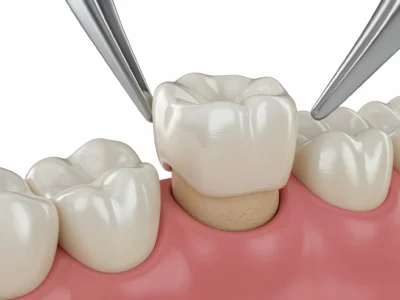
A dental treatment plan rarely comes down to a single procedure. More often, it is a sequence. A cavity is treated before it spreads. A cracked tooth is stabilized before it fractures further. A root canal saves the inner structure, then something stronger must protect what remains. This is where crowns often become essential, not optional.
Patients sometimes hear the word "crown" and think of it as a cosmetic add-on, something chosen for appearance rather than function. In practice, crowns sit at the intersection of health, durability, and aesthetics. They can restore a damaged tooth, support the long-term success of other dental work, and bring a bite back into balance. For many people seeking Dental Crowns Los Angeles CA, the Dental Crowns Los Angeles CA Dental Crowns Los Angeles CA crown is the final step that makes the rest of the treatment plan hold up under daily life.
That last point matters. Teeth do not just need to look whole. They need to survive coffee, late lunches, clenching during traffic, weekend takeout, and the unconscious grinding that often shows up during stressful weeks. A well-planned crown accounts for all of that. It is not simply a cap. It is a restoration designed to return a tooth to service.
Why a crown is often the missing piece
Dentistry works best when the tooth can be preserved. Fillings can repair smaller areas of decay. Bonding can improve shape or appearance in limited situations. But once a tooth loses too much structure, those more conservative fixes may not last. At that stage, a crown does something a filling cannot. It covers and reinforces the remaining tooth so that normal chewing does not split it apart.
This is especially common after a root canal. Once the infected or inflamed pulp is removed, the tooth may no longer be in pain, but it is also more vulnerable. Back teeth in particular take substantial biting pressure. If the remaining enamel and dentin are thin, a crown helps distribute that force across the tooth instead of allowing stress to concentrate at a weak point.
The same logic applies to cracked teeth. I have seen patients put off treatment because the tooth "only hurts when I bite just right." That phrase usually signals a problem worth taking seriously. Small cracks can progress quietly. Once a crack travels below the gumline or into the root, the treatment becomes far more complicated. In many cases, a crown placed at the right time can protect the tooth before the damage becomes irreparable.
Crowns also matter when a tooth has a large, aging filling. Old restorations break down. Margins can open. Recurrent decay can develop underneath. At some point, replacing a very large filling with another filling is like patching the same weak section of a wall over and over. A crown rebuilds the entire visible portion of the tooth in a more comprehensive way.
Dental crowns do more than repair damage
A crown can be the finish line for several kinds of treatment, not just one. That is one reason treatment plans often feel incomplete until the crown is placed. The crown may be what restores full use, proper contour, and predictable function.
Consider a few common scenarios. A patient completes root canal therapy and feels relief, but chewing on that side still is not recommended until the tooth is protected. Another patient receives a dental implant, but the implant does not become a functioning tooth until the crown is attached. Someone else has severe wear from grinding, and a crown is used to rebuild a tooth that has lost height and shape. In each case, the crown is not a side note. It is the restorative endpoint.
Crowns can also help harmonize a bite. That detail often gets overlooked by patients because it is not visible in the mirror. Yet the way upper and lower teeth meet affects comfort, muscle tension, wear patterns, and even the longevity of dental work. If a tooth has shifted, fractured, or worn down, restoring it with the right crown shape can improve how it contacts opposing teeth. When done well, the result feels unremarkable, which is exactly the goal. The tooth should fit into your mouth as if it always belonged there.
When a crown is preferable to a filling or veneer
Patients often ask whether a crown is really necessary or whether a less extensive option can do the job. That is a fair question, and the answer depends on structure, not preference alone.
A veneer covers only the front surface of a tooth and is best suited for cosmetic refinement when the underlying tooth is mostly sound. It does not provide the same degree of circumferential support as a crown. A filling replaces lost tooth material in a specific area, but it depends heavily on the remaining tooth walls for strength. When those walls are thin, undermined, or cracked, the filling has less to hold onto and may fail under pressure.
A crown becomes the stronger choice when the tooth has lost enough integrity that it needs full-coverage protection. This tends to come up with large cavities, broken cusps, root canal treated molars, and teeth that have already been restored multiple times. The point is not to overtreat. The point is to choose a restoration that matches the mechanical reality of the tooth.
There is judgment involved here. Not every heavily filled tooth needs a crown immediately. Not every cracked tooth can wait. A good dentist weighs the extent of damage, where the tooth sits in the mouth, how the patient bites, whether they clench or grind, and how long they need the result to last. The best recommendations usually sound less like sales language and more like engineering.
Materials matter, but so does the case
When people explore Dental Crowns Los Angeles CA, they often focus first on material. Porcelain, ceramic, zirconia, porcelain fused to metal, gold. The material does matter, but it is only part of the decision. The better question is which material fits the specific tooth, bite, and cosmetic demands.
Front teeth usually require a material that can mimic natural translucency and color variation. The eye is less forgiving there. Back teeth need to tolerate stronger chewing forces. Some patients have heavy bruxism and need a restoration chosen with wear resistance in mind. Others have very limited space between upper and lower teeth, which affects what thickness of material can be used safely.
Zirconia has become popular because it is strong and versatile. All-ceramic crowns can be highly aesthetic, especially in visible areas. Porcelain fused to metal still has uses, though many patients prefer metal-free options when appropriate. Gold remains one of the most durable materials in posterior teeth, though it is chosen less often for obvious cosmetic reasons.
What patients sometimes do not realize is that even the best material can fail if the bite is off, the preparation is not ideal, or the surrounding oral environment is not stable. A crown is not just a product. It is a combination of diagnosis, preparation, fit, bite adjustment, and follow-up.
The Los Angeles factor: aesthetics and lifestyle both matter
Dentistry in a city like Los Angeles often comes with a dual expectation. Patients want restorations that last, and they want them to look seamless. That is not vanity. It is practical. In a place where people are often face-to-face with clients, cameras, colleagues, and social events, a conspicuous dental restoration can feel distracting.
At the same time, Los Angeles lifestyles can be hard on teeth. Long commutes, stress-related clenching, frequent coffee, acidic drinks, irregular meal schedules, and athletic activities all show up in the mouth eventually. A crown that looks beautiful but ignores those functional realities may not serve the patient well.
The most effective treatment planning respects both sides. A crown on a front tooth should blend naturally in color, shape, and light reflection. A crown on a molar should withstand forces from chewing and grinding. Sometimes one patient needs both in the same plan. That is why the conversation should go beyond "white crown versus metal crown" and into how you actually use your teeth every day.
What the process usually looks like
The crown process tends to be straightforward, but each step has a purpose. First comes the evaluation. The dentist assesses the tooth, surrounding gum tissue, the nerve status, and the bite. X-rays often help determine how much healthy structure remains and whether there are issues below the surface.
If the tooth is suitable for a crown, it is reshaped so the final restoration can fit securely. An impression or digital scan is then taken, which serves as the blueprint for the lab-made crown or in-office fabrication, depending on the system being used. A temporary crown is usually placed in the meantime.
That temporary phase tells you more than most people expect. If the tooth is still symptomatic, if the bite feels high, or if flossing reveals an area that traps food, those details can inform adjustments before the final crown is cemented. Patients often assume the temporary is just a placeholder, but it is also a trial run for contour and function.
When the permanent crown is ready, the fit is checked carefully. Margins should be precise. Contacts with neighboring teeth should feel natural, not loose and not impossible to floss. The bite should land evenly. A crown that is even slightly high can cause soreness, sensitivity, or jaw fatigue surprisingly quickly. Good delivery appointments are meticulous for a reason.
Cases where the crown changes everything
Some of the biggest improvements happen in teeth patients had learned to work around. They chew on the other side for months. They avoid hard foods. They stop flossing around a broken filling because the area snags. They get used to a tooth that feels unreliable.
One patient I recall had a lower molar with an old silver filling that occupied most of the chewing surface. A piece of the tooth had chipped off, but there was no severe pain, so he delayed care. He kept saying he was "managing fine." What he meant was that he had unconsciously changed how he ate. After the crown was placed and adjusted, his comment at follow-up was simple: he had stopped thinking about that tooth. That is often the best outcome in restorative dentistry. The mouth returns to being quiet.
Another common example is the implant patient who has completed surgery and healing but still cannot use the space normally until the crown is attached. Once the final crown is in place, the treatment finally feels complete. Speech may improve. Chewing becomes easier. The patient stops protecting that area instinctively.
Then there are front tooth cases, where a crown repairs trauma or extensive decay in a visible smile zone. These are technically demanding because symmetry matters. Slight differences in translucency, length, or contour become obvious. When done well, the restoration not only repairs the tooth but restores confidence in a way that is difficult to quantify.
Temporary discomfort versus long-term stability
A crown should not be sold as effortless. There can be short-term inconvenience. The tooth may feel tender after preparation. Temporary crowns can come loose. Some patients notice brief temperature sensitivity or need minor bite adjustments after placement. These are manageable issues, but patients do better when they expect them.
The larger benefit is long-term stability. A properly made and maintained crown can protect a vulnerable tooth for many years. It can also prevent a cascade of more complicated treatment. Saving a compromised tooth with a crown is usually simpler, less invasive, and less costly than losing that tooth and later replacing it with an implant or bridge.
That said, crowns are not indestructible. They can chip, loosen, or wear. The tooth underneath can still develop decay, especially at the margin near the gumline if hygiene lapses. Crowns also do not fix gum disease, untreated grinding, or a neglected bite problem. They succeed best when the whole mouth is part of the plan.
What determines how long a crown will last
Patients often want a firm number, but lifespan depends on several interacting factors. Material choice matters. So does where the crown is located. A front tooth generally experiences different forces than a first molar. Oral hygiene is critical, because the edge where crown meets tooth needs to stay clean. Bite habits matter too. Someone who clenches heavily at night can place far more stress on a crown than someone who does not.
The following factors tend to have the biggest impact on longevity:
- The amount of healthy tooth structure supporting the crown.
- The precision of the fit and the bite adjustment.
- Daily hygiene, especially flossing around the margins.
- Habits such as grinding, chewing ice, or opening packages with teeth.
- Regular dental checkups, which catch small problems before they become larger ones.
A crown that looks good on day one is Dental Crowns Los Angeles CA only part of the story. The real test is whether it remains healthy at the margins, comfortable in function, and stable under years of use.
Questions worth asking before you move forward
Patients make better decisions when they understand why a crown has been recommended in their particular case. If you are weighing treatment, it helps to ask how much natural tooth structure remains, what alternatives exist, how the crown material was chosen, and whether any underlying issues such as grinding need to be addressed at the same time.
If the crown is part of a broader treatment plan, ask what depends on it. Is it protecting a root canal treated tooth? Completing an implant? Rebuilding bite support? Replacing a failing restoration that could lead to fracture if left alone? The answer frames the urgency and helps you understand whether postponing treatment carries risk.
This is especially useful in a market as varied as Los Angeles, where patients may hear different recommendations from different offices. The right discussion should feel specific to your tooth, your bite, and your goals, not generic.
Crowns as part of a complete plan, not a standalone fix
One of the most important shifts in perspective is to stop thinking of crowns as isolated procedures. In well-planned dentistry, a crown is often one piece of a larger strategy. It may preserve a tooth that has already undergone treatment. It may stabilize chewing forces so adjacent teeth are not overloaded. It may help maintain spacing, restore function, and support the appearance of the smile all at once.
This is why Dental Crowns Los Angeles CA so often come up at the midpoint or endpoint of care. The crown may not be the first appointment, but it is frequently the step that allows everything else to succeed over time.
When the indication is sound, the design is careful, and the bite is respected, a crown can do something deceptively simple. It lets a compromised tooth behave like a healthy one again. Not perfect, not untouched, but reliable. For many patients, that reliability is what finally makes the treatment plan feel finished.
Simple Dental Vermont
Address: 8914 S Vermont Ave, Los Angeles, CA 90044
Phone number: +13239493000
FAQ About Dental Crowns Los Angeles CA
How much do crowns cost per tooth?
In the United States, a single dental crown typically costs between $800 and $2,500 per tooth without insurance. The ultimate out-of-pocket price depends heavily on the crown material, the location of the tooth, and whether you have dental insurance coverage.
What is the downside of crowns on teeth?
The primary downside of a dental crown is that the procedure permanently removes natural tooth enamel to shape the tooth for the cap.
Why do dentists push for crowns?
Dentists recommend crowns because a large filling cannot provide enough strength when a tooth loses a major portion of its structure or faces heavy chewing pressure.