How Dental Crowns in Los Angeles CA Protect Vulnerable Teeth
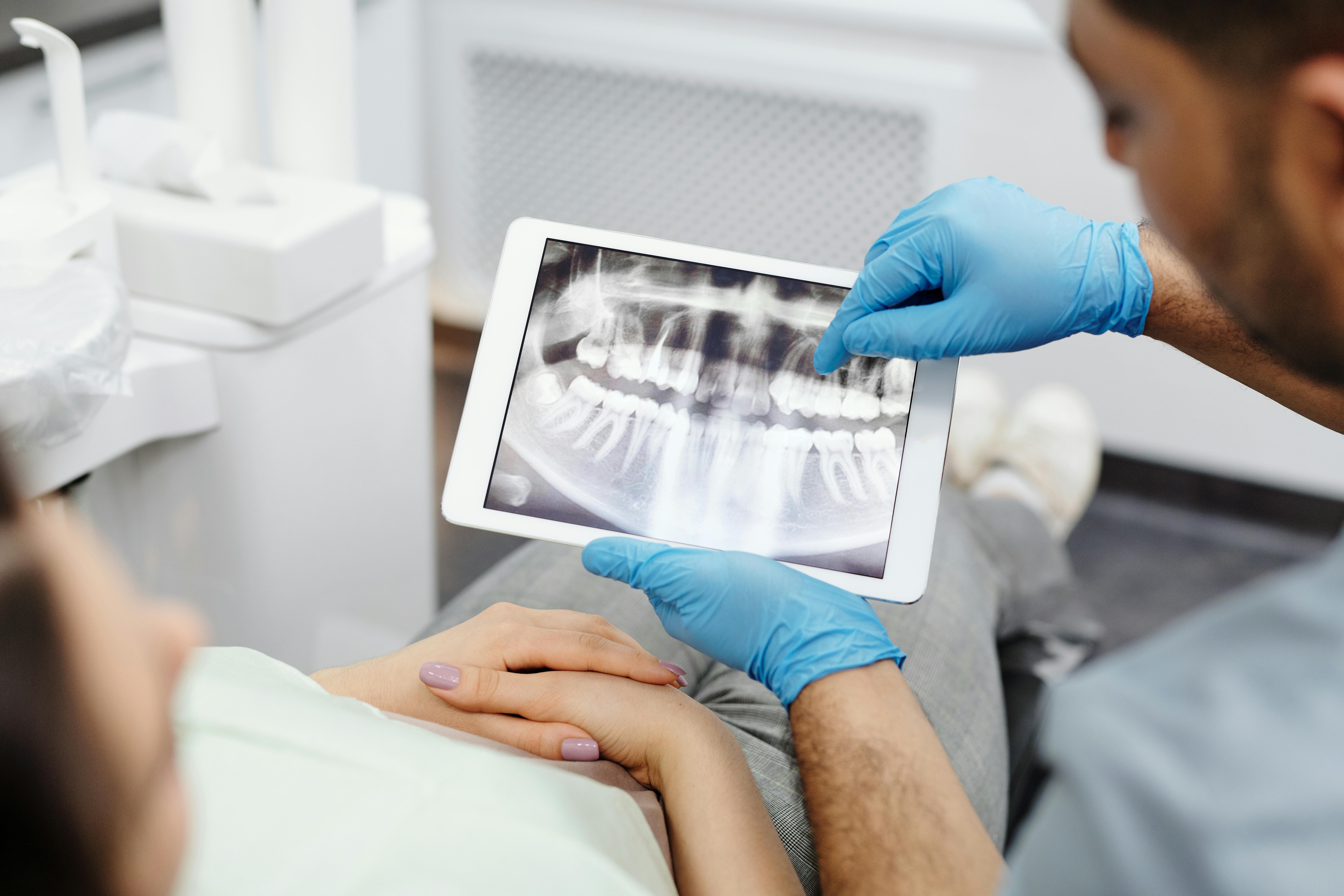

A tooth rarely fails all at once. More often, it weakens in stages. A cavity grows under an old filling. A crack starts as a faint line and deepens under the pressure of chewing. A root canal saves the nerve, but the remaining tooth structure becomes brittle. Patients usually notice the problem when the tooth begins to hurt, catches food, or suddenly loses a piece while eating something ordinary, like toast or a salad with nuts.
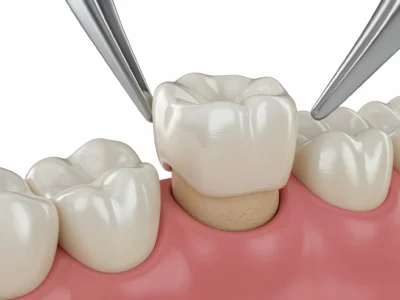
That is where crowns become important. In practical terms, a dental crown is a protective outer covering that fits over a damaged tooth and helps it function again. It is not just cosmetic, though appearance often improves. Its real value is structural. A well-made crown can hold together a tooth that would otherwise continue to fracture, wear down, or become too compromised to keep.
In a city as large and fast-paced as Los Angeles, dental problems are often postponed until they interrupt daily life. People work long hours, commute, talk for a living, and often rely on coffee, snacks, and quick meals. Teeth absorb all of that. When a tooth has already been weakened, the goal is not simply to patch it. The goal is to protect what remains and give it a fair chance to last.
What makes a tooth vulnerable in the first place
Most vulnerable teeth fall into a few familiar categories. The first is the heavily filled tooth. Fillings work well, but every time decay is removed, some natural tooth structure is lost. A small filling may be no issue for years. A very large filling, especially on a back molar, can leave the remaining walls of the tooth thin and unsupported. Under biting pressure, those walls can flex. Over time, flexing turns into cracks.
The second common situation is a tooth after root canal treatment. Many patients assume the root canal itself weakens the tooth. It is usually more accurate to say that the tooth was already badly damaged by decay, infection, or trauma before the procedure. Once the nerve is removed, the tooth no longer feels temperature or early irritation in the same way, and the remaining structure may be more likely to fracture if not reinforced.
Then there are cracked teeth. Some cracks stay shallow and stable. Others travel deeper with each chewing cycle. A patient may describe a sharp jolt when releasing a bite, or pain that seems to come and go without a clear pattern. In my experience, these are often the cases where people wait too long because the discomfort is inconsistent. Intermittent pain can feel less urgent than constant pain, even when the underlying issue is more serious.
Wear is another quiet contributor. Grinding and clenching can flatten teeth, chip edges, and create stress fractures. In Los Angeles, where stress, sleep issues, and busy schedules are routine topics in any healthcare setting, night grinding is common. Teeth do not need one dramatic injury to become fragile. Repeated pressure is enough.
Why a crown protects better than a large filling
A filling replaces missing tooth material inside the tooth. A crown covers the visible portion of the tooth and redistributes force across a broader, stronger shell. That distinction matters.
Imagine a molar with a large old filling and only a few millimeters of natural enamel left around it. A new filling can replace worn material, but it still relies on those remaining tooth walls to resist chewing pressure. If those walls are already thin, they can split. A crown, by contrast, cups over the tooth and helps brace it. It does not make the tooth indestructible, but it reduces the chance that normal biting forces will drive a crack deeper.
This is especially important on back teeth. Molars and premolars do the heavy work of grinding food, and they absorb significant force every day. Front teeth face a different set of demands. They are more visible, and while they usually bear less crushing force, they can still need crowns after trauma, severe wear, or extensive decay. The design of the crown changes depending on location, but the principle is the same: reinforce weakened structure and help the tooth function without self-destructing.
Patients sometimes ask why a dentist cannot simply place a very large filling instead. Sometimes that is a fair option, particularly if enough healthy tooth remains. But there is a point where a filling becomes more like a patch on a collapsing wall. It may buy time, but it may not provide real protection. Good dentistry involves judgment, not reflexively choosing the biggest treatment. Crowns are appropriate when the risk of fracture is high enough that a filling is unlikely to hold up.
The kinds of damage crowns are meant to guard against
A crown protects against several forms of progression, and understanding them helps explain why dentists recommend them even when a tooth is not in severe pain.
One risk is cusp fracture. The cusps are the raised points on chewing teeth. When these become undermined by decay or large fillings, they can snap off during ordinary eating. Another risk is crack propagation. A crack that begins in the enamel can extend into dentin and, in worse cases, toward the root. Crowns can help reduce flexing and lessen the forces that encourage a crack to spread.
There is also the issue of leakage around old restorations. Fillings and crowns both age. Margins can wear, staining can appear, and bacteria can creep into tiny openings over time. If a tooth has recurrent decay around a failing restoration, a crown may be the more durable rebuild, especially if much of the original tooth is already gone.
A less dramatic but very real benefit is preserving bite stability. When a weak tooth breaks, the result is not only a dental problem. It can alter how a person chews, push extra force onto neighboring teeth, and start a chain reaction of discomfort. I have seen patients who ignored one cracked molar and ended up overloading the opposite side, leading to tenderness there as well. Teeth do not function in isolation.
When timing matters more than people expect
One of the hardest parts of restorative dentistry is that a tooth can look manageable one month and become far more complicated the next. A crown recommended early may prevent a more invasive treatment later. Delay can turn a repairable crack into a split tooth, or a large cavity into an infection involving the nerve.
This does not mean every recommendation is urgent in the same way. Some teeth can safely be monitored for a period. Others are unstable enough that postponing treatment is risky. The challenge is that patients usually do not feel the difference as clearly as the dentist sees it on exam and X-rays. Pain is an unreliable guide. Some badly broken teeth barely hurt. Some small cracks are intensely sensitive.
That gap between symptoms and actual risk is one reason patients seeking Dental Crowns Los Angeles CA often arrive after a sudden break rather than at the first warning sign. The tooth may have been vulnerable for months or years. The fracture simply made the problem impossible to ignore.
Material matters, but fit matters more
Crowns can be made from different materials, and patients often fixate on which one is best. The honest answer is that the best choice depends on the tooth, the bite, the amount of space available, cosmetic expectations, and sometimes grinding habits.
All-ceramic crowns are popular because they can look very natural, especially for visible teeth. Porcelain fused to metal crowns have a long track record and can still be a solid option in certain cases. Gold and other metal crowns are less common than they once were, largely for cosmetic reasons, but in the right location they can be extremely durable and conservative to tooth structure.
Still, the material alone does not determine success. A beautifully marketed crown material can fail if the tooth preparation is poor, the bite is off, or the margins do not fit well. A well-planned crown with a precise fit and balanced bite usually serves a patient better than chasing a trend. The technical details matter more than most people realize. If the crown is too high, the tooth can become sore. If the margin is rough or poorly adapted, plaque can accumulate and gums can stay irritated. If there is not enough reduction for the material, strength or esthetics may be compromised.
In practice, the conversation should be less about finding the universally strongest crown and more about matching the crown to the tooth and the person wearing it.
What the process usually looks like
For patients who have never had a crown, the process can sound more intimidating than it is. Most of the discomfort they fear comes not from the crown itself, but from the condition of the tooth before treatment.
A typical sequence includes:
- Examination and imaging to confirm the tooth can be restored and to identify cracks, decay, or infection.
- Shaping the tooth so the crown can fit securely without being bulky.
- Taking a digital scan or impression, then placing a temporary crown in many cases.
- Seating the final crown, checking the bite carefully, and adjusting as needed.
- Monitoring the tooth and surrounding gum tissue at follow-up and routine cleanings.
The temporary phase is worth mentioning because it often surprises people. A temporary crown protects the prepared tooth while the final restoration is made. It is useful, but it is not as strong or precise as the permanent crown. Patients are wise to avoid sticky foods during this period and to call the office if the temporary comes loose.
Same-day crowns are available in some offices and can be very convenient. They work well in many situations. Even so, convenience should not overshadow case selection. Some teeth benefit from a lab-fabricated crown, particularly when bite complexity or esthetic demands are high. Speed is helpful, but precision is more important.
The Los Angeles factor, aesthetics and visibility
In Los Angeles, cosmetic concerns are rarely separate from functional ones. People want a tooth to feel strong, but they also care how it looks on camera, in meetings, and in everyday conversation. That is reasonable. A crown is part of the smile, and a mismatched shape or shade can draw attention in the wrong way.
The good news is that modern crowns can be made to look remarkably natural when handled well. Shade matching is not only about choosing a color. It involves translucency, surface texture, contour, and how light interacts with neighboring teeth. A front tooth crown, in particular, requires careful planning. If a patient has unique staining, slight rotations, or wear patterns on adjacent teeth, those details may need to be replicated for the crown to blend in.
Back teeth present a different esthetic issue. Most people do not want metal visible when they laugh or yawn, which is one reason tooth-colored crowns are so common now. But not every back tooth needs the same level of cosmetic refinement. The farther back the tooth sits, the more the conversation tends to shift toward durability, bite forces, and long-term maintenance.
For patients searching for Dental Crowns Los Angeles CA, the ideal office is often one that treats function and aesthetics as linked rather than separate categories. A crown that looks nice but chips quickly is not a success. A crown that lasts but feels bulky or obvious may leave the patient dissatisfied. Both goals matter.
Crowns after root canals, a common and important pairing
Not every root canal tooth needs a crown, but many do, especially molars and premolars. These teeth handle greater chewing forces, and they are often already compromised by large cavities or prior restorations before the root canal is ever done.
A front tooth that had a relatively conservative root canal access and still retains substantial healthy structure may sometimes be restored without a full crown, depending on the case. A lower molar with broad chewing surfaces and thin remaining walls is a different story. Leaving that tooth with only a filling can be risky. I have seen root canal treated molars fracture beyond repair within a short time when they were left unprotected for too long.
This is one area where patients sometimes misunderstand sequence. They assume the root canal solved the problem permanently, then postpone the crown because the pain is gone. In reality, the root canal addressed infection or inflammation inside the tooth. The crown often addresses the mechanical weakness that remains afterward.
How long crowns last, and why some fail early
Crowns can last many years, often well over a decade, but broad averages only tell part of the story. Longevity depends on oral hygiene, bite forces, grinding, diet, the quality of the underlying tooth, and the precision of the original work.
A crown usually does not fail because the crown material suddenly gives up for no reason. More often, the underlying tooth develops decay at the margin, the cement seal is compromised, the tooth cracks beneath the crown, or the bite subjects it to chronic overload. Nighttime clenching is a frequent factor. So is neglecting regular cleanings, especially if plaque builds up around the gumline.
Patients can improve crown longevity by focusing on a few practical habits:
- Brush carefully along the gumline where the crown meets the tooth.
- Floss daily, sliding the floss out gently rather than snapping it upward.
- Wear a night guard if grinding or clenching is present.
- Avoid using teeth to open packages or bite very hard non-food items.
- Keep regular exams so small problems can be caught before they become expensive ones.
That said, even perfect habits do not guarantee a crown will last forever. Dentistry operates in a harsh environment. Moisture, acids, bacteria, and heavy force are constant. The realistic goal is durability, not permanence.
Situations where a crown may not be the right answer
Crowns are valuable, but they are not a cure-all. A Dental Crowns Los Angeles CA tooth with a crack extending too far below the gumline may not be restorable. A tooth with severe bone loss from periodontal disease may not have enough support, even if the crown itself could be made beautifully. In some cases, an onlay or partial coverage restoration may preserve more healthy tooth than a full crown and still provide adequate strength.
There are also times when extraction and replacement become the more honest recommendation. Patients do not always like hearing that, especially if they hoped a crown could save the tooth at any cost. But a crown should not be used to disguise a hopeless foundation. Good treatment planning means knowing when to restore and when restoring would only delay failure.
This is especially important when the damage is subgingival, meaning it extends under the gum and possibly toward the bone. Access becomes difficult, margins may not be maintainable, and long-term predictability drops. Saving teeth is generally the priority, but predictable dentistry matters more than heroic dentistry that cannot be maintained.
Cost, value, and the bigger financial picture
Crowns are an investment, and patients in Los Angeles are often balancing dental care with high living costs. It is reasonable to ask whether a crown is worth it. The answer depends partly on whether it prevents a larger problem.
A timely crown can be less costly than the chain of events that follows an avoidable fracture: emergency visit, possible root canal, extraction, bone grafting, implant, and a replacement crown on top of that. This does not mean every recommended crown saves money in every case, but it often preserves options and reduces the risk of more complex treatment later.
Insurance can help, though coverage varies widely and annual maximums have not kept pace with actual treatment costs in many plans. Patients benefit from asking practical questions upfront: Is the tooth definitely restorable? Is a buildup needed? Is a root canal likely first? What happens if a crack is found deeper once treatment starts? Clear expectations reduce frustration.
Living with a crown after placement
A new crown should feel like a natural part of the bite within a short period. Mild sensitivity after placement can happen, especially if the tooth was irritated beforehand or if the gum tissue needs a few days to settle. What should not persist is a sense that the tooth hits first every time you bite, or that floss shreds repeatedly around the margin. Those are signs to return for an adjustment.
Patients often expect a crown to feel perfect the moment it is cemented. Sometimes it does. Other times, tiny refinements are needed. A bite that looks fine on paper can still feel slightly off to the patient. That is not unusual, and it is usually fixable with a careful adjustment.
Maintenance is straightforward but important. Crowns still need brushing and flossing because the tooth underneath remains vulnerable where crown and tooth meet. Gum health around the crown matters just as much as the crown itself. A beautiful restoration surrounded by inflamed tissue is not a healthy result.
Why the right diagnosis matters as much as the restoration
Perhaps the most overlooked part of crown treatment is diagnosis. The crown only succeeds if the tooth was correctly evaluated beforehand. Is the pain coming from a crack, a bite issue, sinus pressure, gum inflammation, or a nerve problem? Is there enough healthy tooth left to support a crown? Is the tooth restorable after old decay is removed? Has the patient been told honestly about the prognosis?
These are not minor details. They determine whether a crown becomes a durable solution or a temporary detour. In offices that handle a high volume of restorative work, the best outcomes usually come from slowing down at the diagnostic stage, not from rushing to place treatment.
For patients considering Dental Crowns Los Angeles Dental Crowns Los Angeles CA CA, the smartest move is often to focus less on finding the fastest appointment and more on finding a dentist who explains the reasoning clearly. A crown is not just a cap placed on a tooth. It is a structural decision. Done at the right time, on the right tooth, for the right reasons, it can protect vulnerable teeth from the kind of fracture or breakdown that turns a manageable problem into a major one.
Simple Dental Vermont
Address: 8914 S Vermont Ave, Los Angeles, CA 90044
Phone number: +13239493000
FAQ About Dental Crowns Los Angeles CA
How much do crowns cost per tooth?
In the United States, a single dental crown typically costs between $800 and $2,500 per tooth without insurance. The ultimate out-of-pocket price depends heavily on the crown material, the location of the tooth, and whether you have dental insurance coverage.
What is the downside of crowns on teeth?
The primary downside of a dental crown is that the procedure permanently removes natural tooth enamel to shape the tooth for the cap.
Why do dentists push for crowns?
Dentists recommend crowns because a large filling cannot provide enough strength when a tooth loses a major portion of its structure or faces heavy chewing pressure.