Dental Crowns Los Angeles CA: Improve Strength, Shape, and Appearance
A well-made dental crown does three jobs at once. It protects a damaged tooth, restores the way that tooth functions, and improves how it looks when you smile or speak. That combination is exactly why crowns remain one of the most dependable treatments in restorative dentistry. They are not flashy, and they are not new, but they solve real problems every day for people who want to chew comfortably, avoid further damage, and feel less self-conscious about their teeth.
For patients searching for Dental Crowns Los Angeles CA, the need is often practical before it is cosmetic. A tooth cracks. An old filling breaks down. A root canal leaves a back molar more brittle than it used to be. Someone bites on one side because the other side hurts, then weeks later they have jaw soreness from shifting their chewing pattern. Crowns step in at that point, not as a luxury, but as a way to stabilize the mouth and stop a manageable issue from becoming a much larger one.
In Los Angeles, there is another layer to the decision. People here often care deeply about appearance, but they also have demanding schedules and want treatment that works without endless appointments or guesswork. A crown has to look natural under bright sunlight, office lighting, and phone cameras, but it also has to hold up during normal life, from morning coffee to a late dinner after work. That balance between aesthetics and durability is where good clinical judgment matters most.
What a crown actually does
A dental crown is a custom-made covering that fits over a prepared tooth. It replaces the visible outer portion of the tooth above the gumline and acts like a new protective shell. The underlying tooth structure remains important, which is why proper preparation, healthy surrounding gums, and accurate fit all matter. A crown is not simply a cap placed on a bad tooth and forgotten. It is a carefully engineered restoration designed to work with your bite, neighboring teeth, and long-term oral health.
The strength benefit is often the first reason a crown is recommended. Teeth that have large fillings, fractures, extensive wear, or root canal treatment are more vulnerable to breaking under pressure. Molars absorb considerable force, especially in people who clench or grind at night. When a tooth loses too much natural structure, a filling alone may not be enough to support it. A crown redistributes chewing forces and helps reduce the risk of catastrophic fracture.
Shape is the second big advantage. Teeth can become misshapen from breakage, wear, congenital defects, or old dental work. A crown can rebuild proper contour, close awkward edges, restore a more even chewing surface, and bring symmetry back to the smile. This is often underestimated. Even a small change in shape can improve speech, reduce food trapping, and make daily brushing and flossing easier.
Appearance matters too, and it is not shallow to say so. People notice their front teeth. They notice dark lines near the gum, discoloration that does not respond to whitening, and chipped enamel that catches the light in an unnatural way. A carefully matched crown can blend with surrounding teeth in color, translucency, and texture. The best cosmetic crowns do not scream for attention. They simply look like healthy teeth.
When a crown makes more sense than another filling
Not every damaged tooth needs a crown. Conservative treatment is usually preferred when enough healthy tooth remains. But there is a point where continuing to patch a tooth becomes a short-term fix that leads to a larger repair later.
A simple example is the heavily filled molar that has already been repaired several times. Each replacement filling often requires removal of a little more structure. Over the years, the tooth can start to resemble a thin ring of enamel around a large center restoration. That may hold for a while, but it is mechanically weaker than a more complete restoration. In cases like that, a crown often provides the better long-term prognosis.
Another common situation is a cracked tooth. Crack patterns vary, and no dentist can promise that every cracked tooth will be saved indefinitely. Still, when the crack has not extended beyond a restorable level, a crown can brace the tooth and reduce flexing under bite pressure. Patients often describe immediate relief from the sharp pain they felt when chewing on something firm.
Crowns are also standard after many root canals on back teeth. Once the nerve is removed, the tooth is no longer receiving the same internal nourishment and tends to become more brittle over time. It can function well for years, but it usually needs full coverage to protect it from fracture. Skipping the crown to save money upfront can become very expensive if the tooth later splits beyond repair and has to be extracted.
Common reasons a crown is recommended
- A tooth has a large filling and not enough remaining structure to stay strong.
- A tooth is cracked, worn down, or broken and needs reinforcement.
- A root canal has been completed and the tooth needs full coverage.
- A misshapen or severely discolored tooth needs cosmetic improvement.
- A dental implant needs a visible tooth replacement on top.
Materials matter, especially in visible areas
Patients are often told they need a crown, but the material conversation is where treatment becomes more individualized. Not every crown should be made the same way.
All-ceramic and porcelain-based crowns are popular because they can look exceptionally natural. They are often chosen for front teeth and other visible areas where translucency and color blending matter. When crafted well, these restorations can mimic enamel far better than older materials could. Their beauty is a major reason many patients asking about Dental Crowns Los Angeles CA are drawn to ceramic options.
Zirconia crowns have become common because they offer impressive strength and, in newer formulations, improved aesthetics. They can be a strong choice for back teeth, especially in patients with heavy bite forces. That said, strength is not the only variable. An overly hard or poorly adjusted crown can create wear issues on the opposing teeth, so design and polishing matter as much as the material label.
Porcelain fused to metal crowns are still used in certain cases, though they are less fashionable than they once were. They can provide good durability, but some patients dislike the possibility of a dark edge near the gums over time, especially if the gumline recedes. In highly visible zones, that can become a cosmetic drawback.
Gold and other metal crowns remain excellent from a functional standpoint. Dentists who have been in practice for years will tell you that well-made gold restorations can last a remarkably long time. They are kind to opposing teeth and require less aggressive reduction in some cases. The issue, of course, is appearance. In a front tooth, most patients will not consider it. In a back molar, some still do, particularly if they value longevity above all else.
The right material depends on where the tooth sits, how much force it handles, whether you grind your teeth, your cosmetic goals, and the amount of remaining tooth structure. There is no universal best crown, only the best option for a specific mouth.
The process, from first exam to final fit
The crown process is usually straightforward, but the details are what determine comfort and longevity. It starts with an exam, X-rays when needed, and a discussion about the health of the tooth and surrounding tissues. If there is active decay, gum inflammation, or uncertainty about the nerve of the tooth, those issues should be sorted out first.
During the preparation visit, the tooth is reshaped so the crown can fit over it with the right thickness and contour. This is done under local anesthesia, and patients are often pleasantly surprised by how routine it feels. If the tooth is badly broken down, a buildup may be placed first to create a more stable foundation. In some cases, if the internal support is compromised, a post may be considered after root canal therapy, though this is not needed for every tooth.
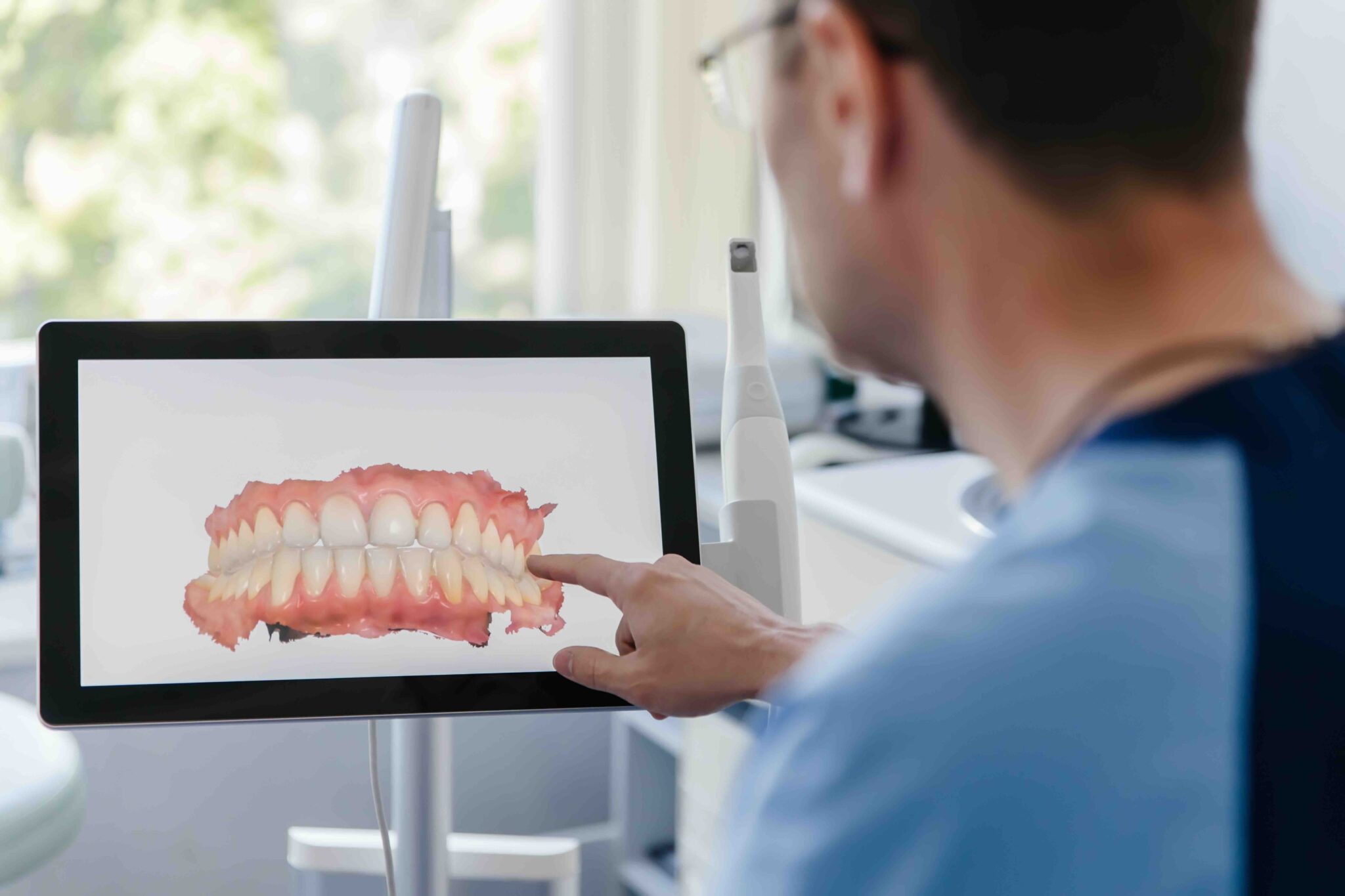
Once the tooth is prepared, impressions or digital scans are taken. Digital scanning has improved the process in many offices because it can be faster, more comfortable, and highly precise. A temporary crown is usually placed while the final one is being fabricated. Temporary crowns matter more than people realize. They protect the tooth, help maintain gum shape, and give some sense of the final form. If a temporary comes off repeatedly or feels rough, it should not be ignored. That discomfort can signal bite issues or retention problems that are worth addressing before final cementation.
At the delivery appointment, the temporary is removed and the final crown is tried in. The dentist checks the fit at the margin, the contact with neighboring teeth, the bite, and the appearance. Small adjustments are common. A crown that is even slightly high can make a patient feel as if only that tooth touches during chewing, and that can create soreness very quickly. Precision here matters more than speed.
A patient once described getting a crown elsewhere that looked beautiful but felt wrong every time she chewed. She avoided using that side for nearly two months, thinking she just needed time to get used to it. When the bite was finally adjusted properly, the discomfort disappeared in one visit. That kind of story is common. A crown should not simply look acceptable on a shade guide. It has to function naturally in the real mouth.
Cosmetic expectations need honesty
Dental crowns can dramatically improve a smile, but they are not magic. The most satisfying outcomes happen when expectations are discussed clearly from the beginning.
Color matching is a good example. A single front crown must blend with neighboring natural teeth, and natural teeth are rarely one flat shade. They have subtle variation, translucency near the edge, and tiny surface characteristics that catch light in a specific way. If the surrounding teeth are very dark, very translucent, heavily restored, or have unusual staining patterns, matching can be more complex than patients expect.
The gumline also affects the final look. If the gums are inflamed, uneven, or receding, even a beautifully made crown can appear less harmonious. Sometimes patients focus only on the tooth and overlook the frame around it. In aesthetic zones, contour and gum health are part of the result.
Shape can be equally important. A crown can lengthen a worn tooth, smooth a chipped edge, or make an asymmetrical tooth look more balanced, but overbuilding a tooth for the sake of perfection can create an artificial appearance. The best cosmetic dentistry respects the face, the lip line, the age of the patient, and the character of the natural smile. Not every adult should leave the office with teeth shaped like generic stock photos.
This is particularly relevant in Los Angeles, where patients often arrive with inspiration images from social media. Those images can be useful for discussing preferences, but they should not dictate treatment without context. A crown has to fit your bite, your bone support, your gums, and your facial proportions. Aesthetic dentistry works best when it is personalized rather than copied.
How long crowns last, and why some fail early
A crown is durable, but it is not permanent in the sense patients sometimes hope. Many crowns last well over a decade, and some last much longer. Others need replacement sooner. The difference usually comes down to a handful of practical factors rather than bad luck.
Decay at the margin is one of the most common reasons for failure. The crown itself does not decay, but the tooth underneath can. If plaque accumulates along the edge, or if oral hygiene is inconsistent, bacteria can create recurrent decay where the restoration meets the natural tooth. This tends to happen quietly, which is why routine exams are so important.
Bite force is another major factor. People who clench or grind can place enormous stress on crowns, especially on molars. A night guard often extends the life of both natural teeth and restorations, yet many patients resist wearing one until they crack something. By then, the lesson becomes expensive.
Cement failure, underlying fracture, gum recession, and wear on the material can also shorten lifespan. Sometimes an older crown is still intact but no longer fits the surrounding tissue or no longer seals predictably at the edge. Replacement in that case is preventive, not cosmetic vanity.
Skilled preparation and laboratory quality matter too. Marginal fit, occlusion, material choice, and polish are not glamorous topics, but they influence longevity every day. A crown can fail because it was poorly maintained, but it can also fail because it was poorly planned.
What recovery is usually like
Most patients return to normal activity quickly after crown preparation. Mild tenderness around the gums is common for a day or two, and a tooth can feel temporarily sensitive, especially to temperature, if a temporary crown is in place. That sensitivity usually settles. If 8914 S Vermont Ave Dental Crowns Los Angeles CA it intensifies, becomes spontaneous, or keeps you awake at night, that deserves a call to the office rather than a wait-and-see approach.
After the final crown is cemented, the tooth may feel slightly unfamiliar for a few days. Your tongue is remarkably sensitive to shape. Minor awareness is normal. Pain on biting, persistent temperature sensitivity, or a sensation that the tooth hits first when you close are not things to ignore. Small bite adjustments are common and often make a big difference.
Habits that help a crown last
- Brush carefully along the gumline and floss daily to keep the crown margin clean.
- Avoid chewing ice, hard candy, or other very hard objects with restored teeth.
- Wear a night guard if you grind or clench during sleep.
- Keep regular dental visits so small issues can be caught before the tooth underneath is damaged.
- Mention any new bite discomfort early, rather than adapting to it for months.
Cost, value, and the Los Angeles factor
Cost comes up in every crown discussion, and it should. Fees in Los Angeles can vary widely based on the office, the material, the complexity of the case, whether a specialist is involved, and whether additional treatment such as root canal therapy or buildup is needed first. It is reasonable for patients to compare options, but price alone can be misleading.
A lower fee may still represent excellent care, especially in an efficient practice with modern workflows. On the other hand, a bargain crown that requires repeated adjustments, looks opaque, traps food, or fails early is not a bargain. The true value of a crown lies in fit, function, aesthetics, and service after placement.
Insurance can help in some cases, particularly when the crown is clearly restorative rather than elective. Even then, coverage limits, waiting periods, and material restrictions are common. Some plans reimburse based on a less expensive material regardless of what is actually used. Patients are often surprised by that detail.
If finances are tight, it is worth having an honest conversation about timing and priorities. Sometimes a compromised tooth can be stabilized temporarily while you plan for definitive treatment. Sometimes delaying a crown is reasonable. Sometimes it is not. A fractured cusp that is getting worse under function may not wait politely for six more months. Good dentists explain that distinction without pressure.
Choosing the right dentist for a crown
A crown is common treatment, but common does not mean trivial. The quality of diagnosis and execution shapes the outcome. When evaluating providers for Dental Crowns Los Angeles CA, experience matters, but so does communication. You want a dentist who can explain why a crown is needed, what alternatives exist, what material makes sense, and what the limitations are in your case.
Photos of previous cosmetic cases can be helpful, especially for front teeth, though they should be viewed as examples rather than guarantees. Ask how bite is evaluated, whether digital scans are used, how temporaries are handled, and what happens if the final crown needs adjustment after placement. The way a practice answers practical questions often tells you more than a polished website does.
It is also worth paying attention to how thoroughly the surrounding issues are assessed. If a dentist jumps straight to discussing shade and shape without evaluating the gum condition, crack pattern, bite forces, or habits like grinding, that is a red flag. Good dentistry starts with diagnosis, not sales language.
Crowns on front teeth versus back teeth
Front teeth and back teeth ask different things from a crown. A front tooth crown lives in the spotlight. Color, translucency, edge shape, and gum harmony are critical. Even small discrepancies can be visible in conversation. Patients usually notice aesthetics first, but phonetics can matter too. The shape and position of front teeth influence certain speech sounds, and a restoration that is too bulky can feel awkward.
Back teeth are less visible but carry more chewing force. For molars and premolars, strength and occlusal design usually take priority, though appearance still matters when you laugh or speak. A crown on a second molar does not need the same optical subtlety as one on a central incisor, but it does need proper anatomy so food is chewed efficiently and the opposing teeth contact correctly.
This difference is one reason a treatment plan should never feel generic. A patient may need two crowns in the same mouth for entirely different reasons, made from different materials, with different design priorities.
The bigger picture, preserving the tooth you still have
One of the most useful ways to think about a crown is not as a replacement for a tooth, but as a way to preserve the tooth that remains. That perspective changes the conversation. The goal is not merely to cover damage. It is to extend the life of the natural foundation for as long as reasonably possible.
When a crown is done at the right time, it often prevents the next problem. It can stop a crack from worsening, keep a root canal tooth from splitting, restore a bite that has shifted from years of avoiding one side, and improve confidence in a smile that someone has been hiding. Those are meaningful outcomes. They affect comfort, nutrition, speech, and self-image, often more than patients expect going in.
A good crown does not call attention to itself. You chew normally. You smile without thinking about the dark, broken, or fragile tooth that used to be there. You stop adjusting your habits around discomfort. That quiet reliability is what makes crowns such an enduring part of dentistry, especially for patients who want treatment that improves strength, shape, and appearance all at once.
Simple Dental Vermont
Address: 8914 S Vermont Ave, Los Angeles, CA 90044
Phone number: +13239493000
FAQ About Dental Crowns Los Angeles CA
How much do crowns cost per tooth?
In the United States, a single dental crown typically costs between $800 and $2,500 per tooth without insurance. The ultimate out-of-pocket price depends heavily on the crown material, the location of the tooth, and whether you have dental insurance coverage.
What is the downside of crowns on teeth?
The primary downside of a dental crown is that the procedure permanently removes natural tooth enamel to shape the tooth for the cap.
Why do dentists push for crowns?
Dentists recommend crowns because a large filling cannot provide enough strength when a tooth loses a major portion of its structure or faces heavy chewing pressure.